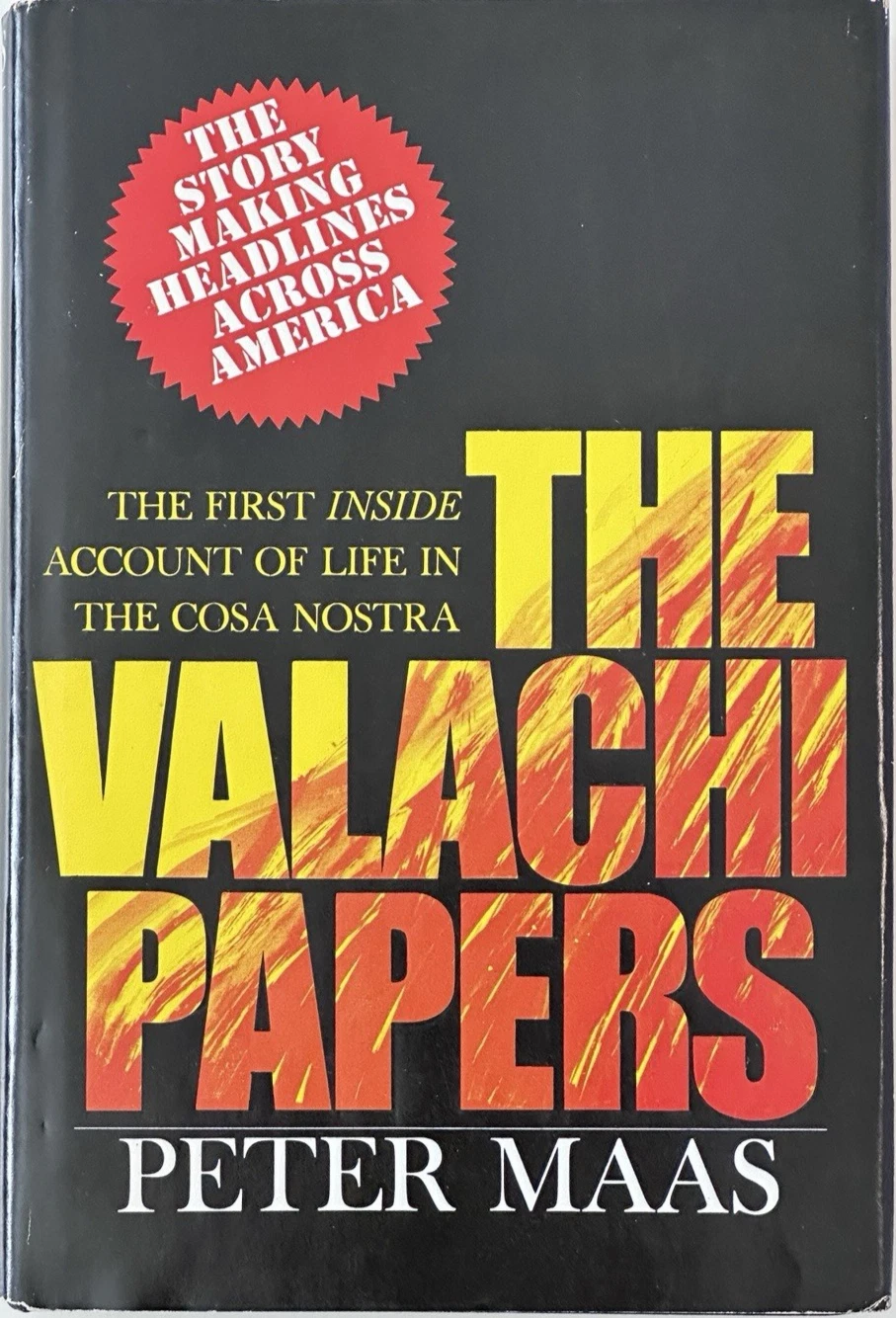
Peter Maas (June 27, 1929 – August 23, 2001) was a monumental American journalist, biographer, and bestselling non-fiction author whose explosive, deeply researched exposés of organized crime, police corruption, and state secrets fundamentally defined modern American true-crime literature. Born and raised in New York City, he studied at Duke University and built an exceptional early journalism career writing investigative features for prominent national periodicals like Look, The Saturday Evening Post, and New York magazine. Maas vaulted into absolute international literary and historical prominence with his 1968 landmark masterpiece, The Valachi Papers. The first deeply detailed insider look into the American Mafia, the book was built upon Maas's exclusive, high-level interviews with turncoat mobster Joe Valachi, unmasking the secret structural hierarchy, blood oaths, and corporate rackets of Cosa Nostra; the blockbuster text overcame severe censorship attempts by the U.S. Department of Justice to become a multi-million-copy global bestseller and a acclaimed 1972 Hollywood feature film starring Charles Bronson. Renowned for a cinematic narrative style that balanced rigorous, fact-checked reporting with the propulsive pacing of a political thriller, his extensive bibliography features a string of monumental bestsellers, including Serpico (the definitive profile of whistleblowing NYPD officer Frank Serpico, adapted into the iconic Sidney Lumet film starring Al Pacino), King of the Gypsies, In a Child's Name, and Underboss: Sammy the Bull Gravano's Story of Life in the Mafia. A fierce champion of transparency and civil liberties, Maas spent his final years writing in New York City, completing his high-octane institutional exposure Killer Spy before his passing in 2001.
This profile is awaiting source review; collected books are already linked below.