Karen Armstrong (born 1944) is a British author and commentator on comparative religion. Her writing brings historical study of religious traditions to a broad readership, with particular attention to Judaism, Christianity, Islam, Buddhism, and the ethical importance of compassion.
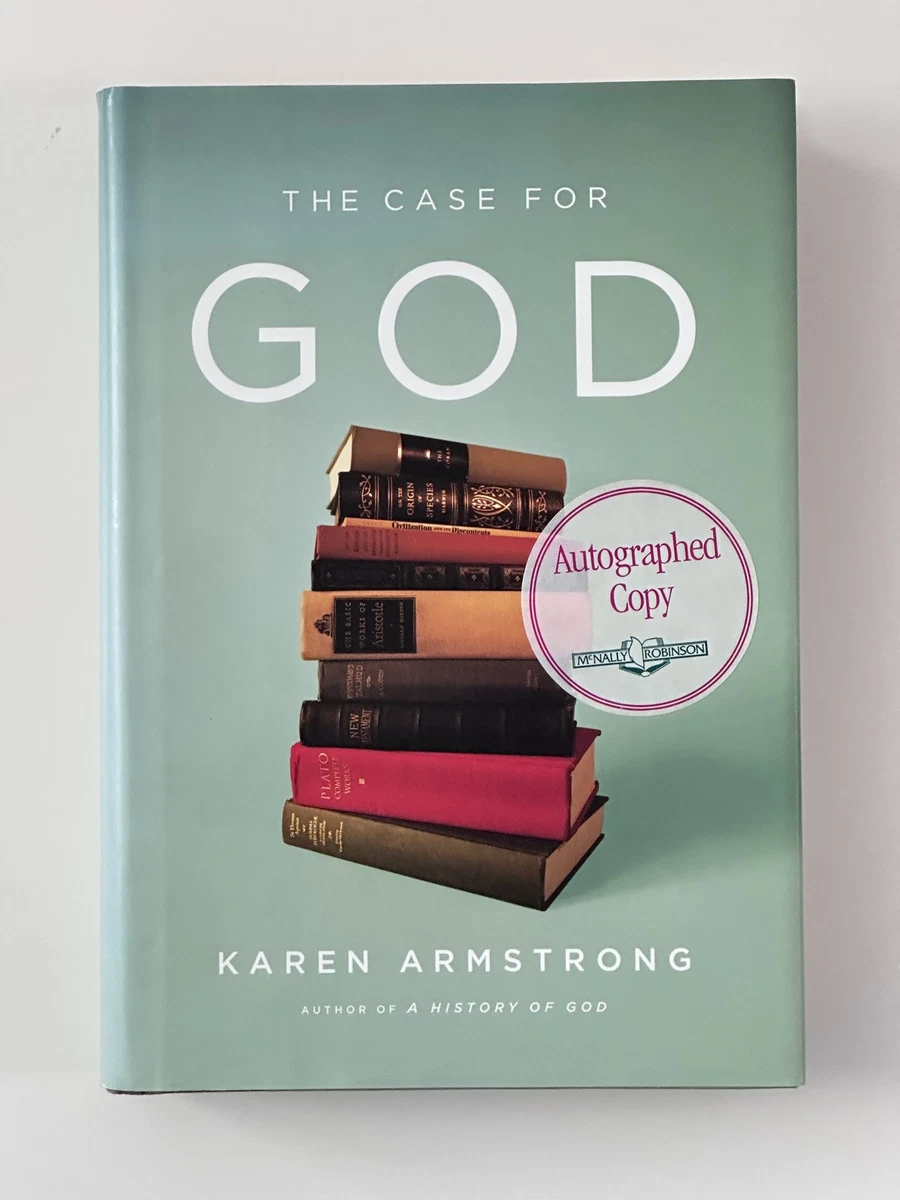
After leaving a Roman Catholic religious order in 1969, she completed a degree at Oxford and taught modern literature. Her early memoir Through the Narrow Gate drew on her years in the convent; later books including A History of God, Islam, Buddha, and The Battle for God examined religious ideas, histories, and fundamentalist movements across traditions. In The Case for God, she traces changing approaches to religious belief and practice from antiquity to the modern period.
Armstrong received the 2008 TED Prize, through which she proposed the Charter for Compassion; the charter was launched in 2009 following international public and scholarly participation. Her honours include election as a Fellow of the Royal Society of Literature, the Freedom of Worship award of the Franklin D. Roosevelt Four Freedoms Awards, and appointment as an Officer of the Order of the British Empire for services to literature and interfaith dialogue.
This profile is awaiting source review; collected books are already linked below.